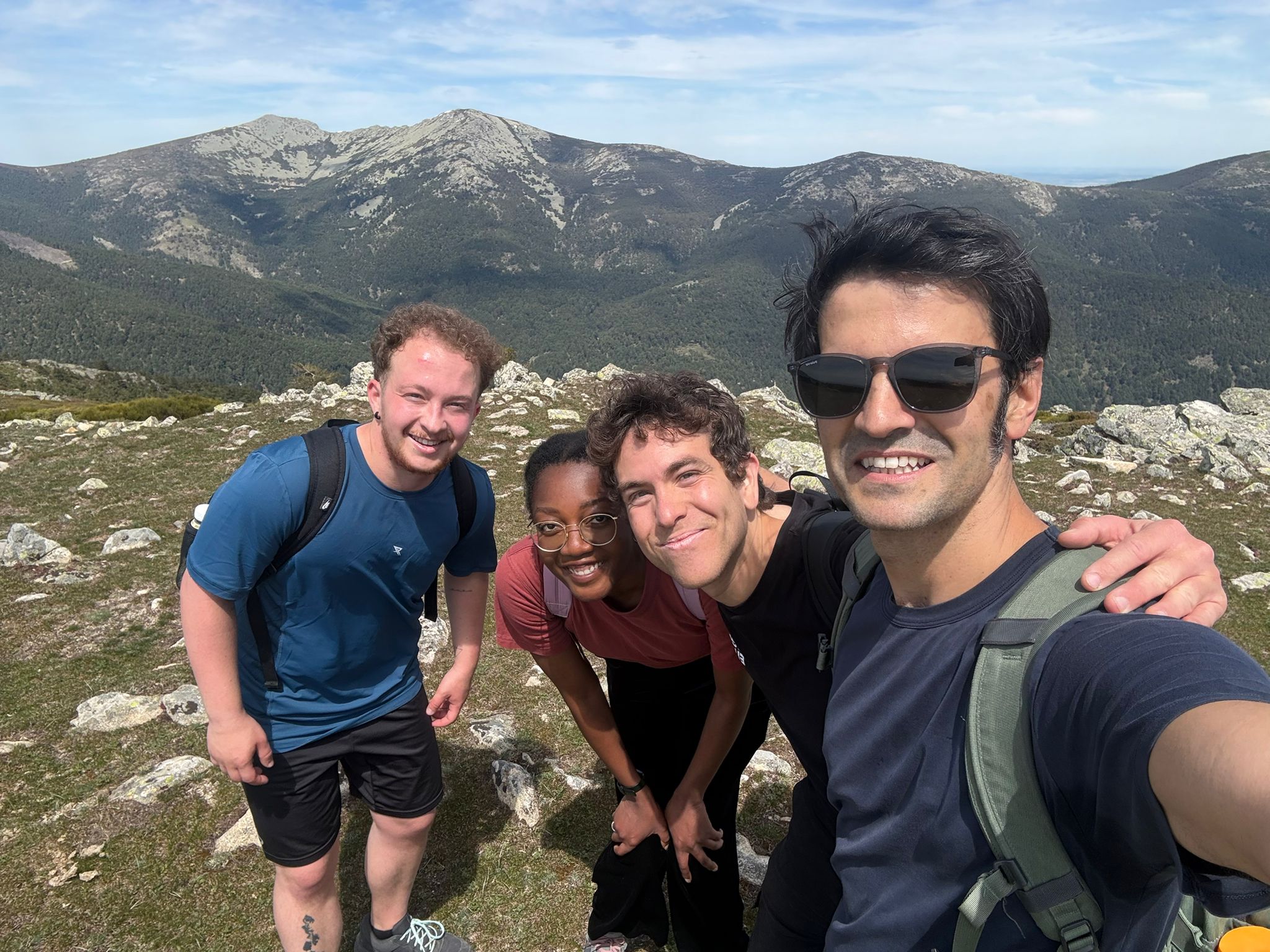
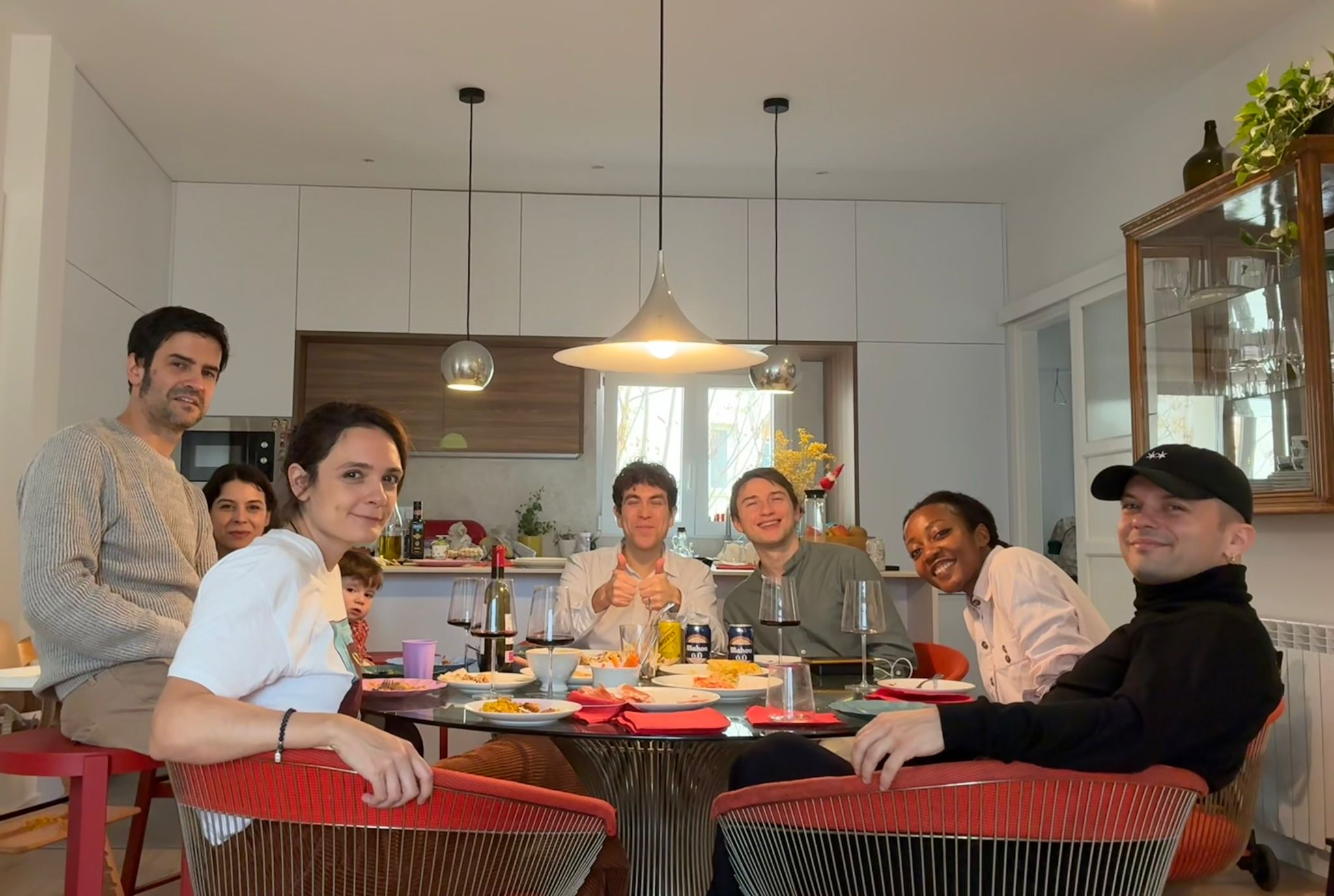
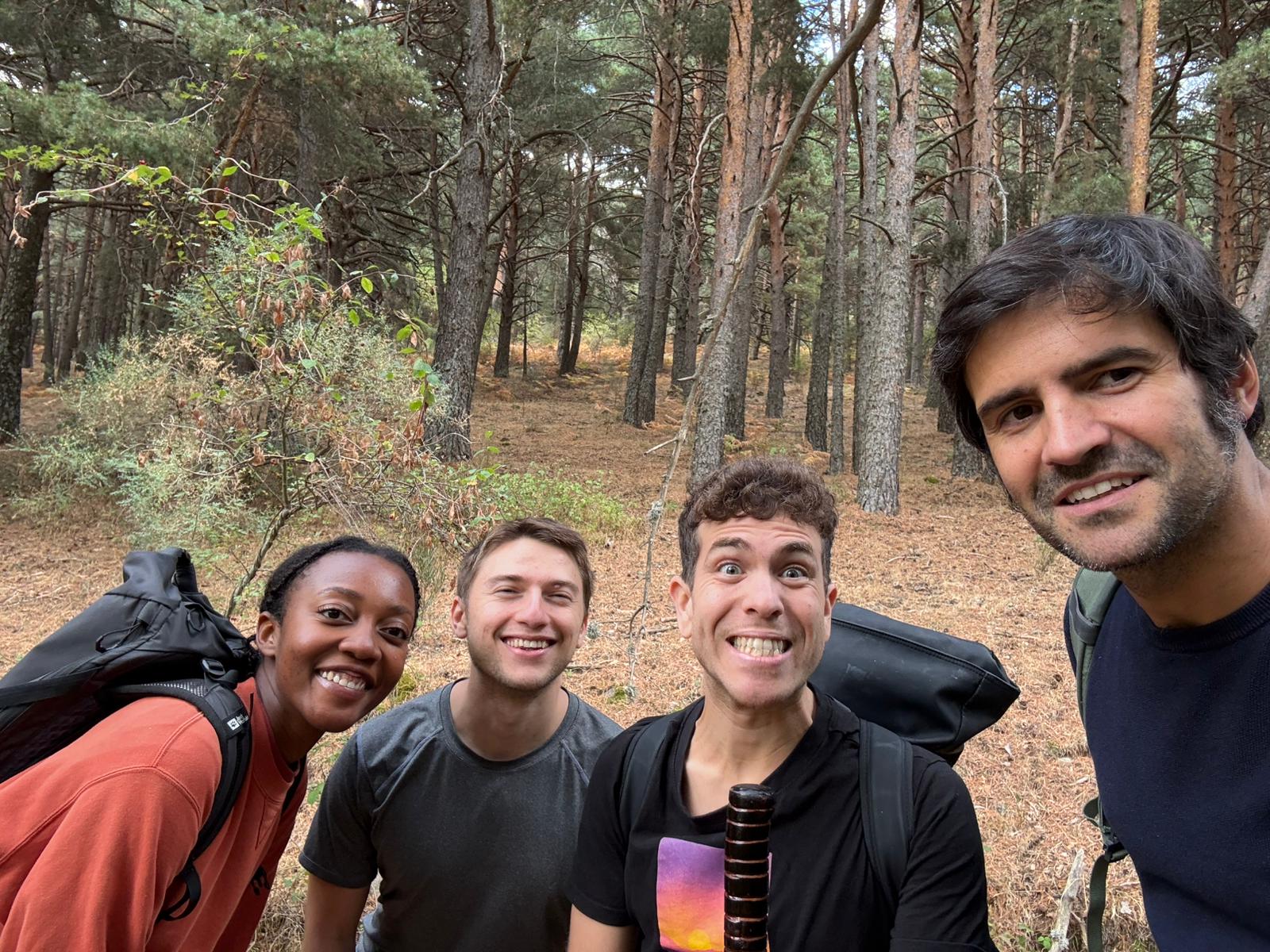
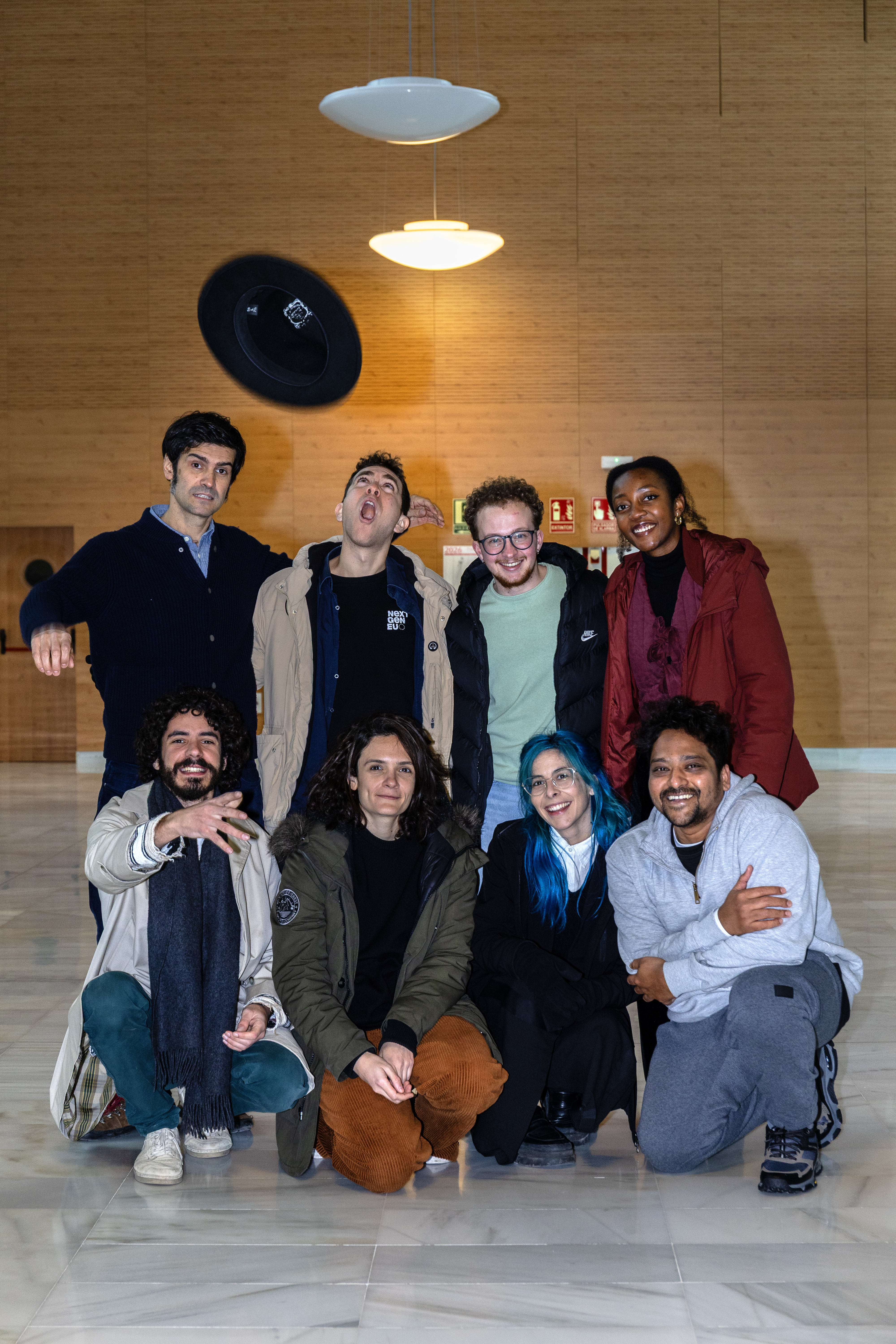
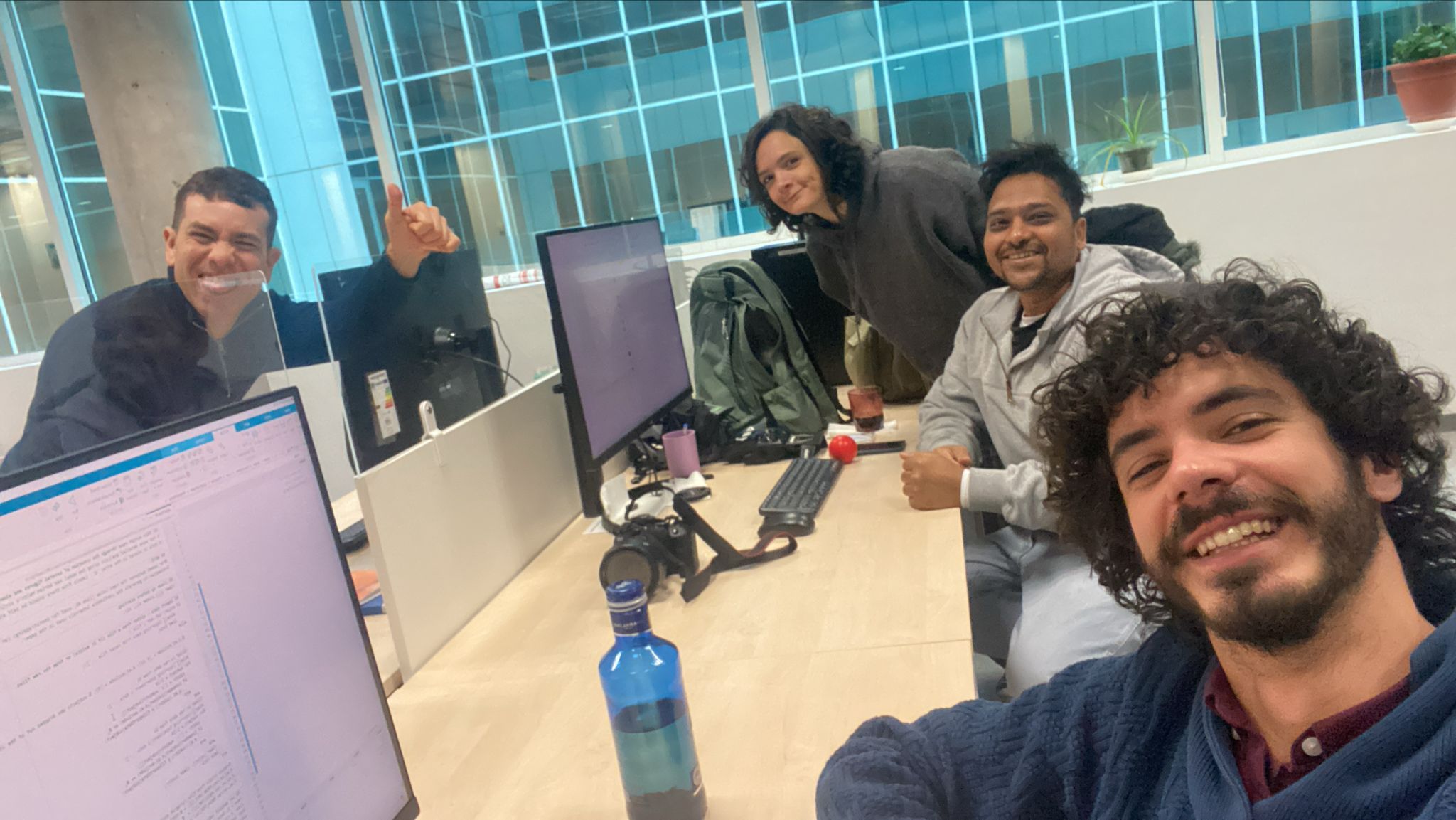
Lab atmosphere
|
- A welcoming space: Everyone in the lab should be kind, respectful, and
supportive of
each other.
- Collective work: In the lab, we never compete with each other, but we try to
lift
each other up. In broader scientific context this should also apply, but it
is
sometimes hard to not get carried away by the many competitive elements of
scientific careers (grants, positions, etc.).
- Active engagement: Everyone should participate in the lab’s academic events
(lab
meeting, interest group meetings, external presentations by lab members) as
much
as
possible (not just attending but being proactive asking questions and
commenting).
|
Inclusivity
|
The lab welcomes members of any social,
economic, national, religious or
ethnic background. Sexual, political and cultural preferences are irrelevant to
science
and to this lab. Every member must adopt a tolerant attitude with respect to any
identity that may be represented in the group, and avoid referring to others using
attributes that are irrelevant to science. |
Consideration
|
-
Respect: We do not tolerate verbal or non-verbal expressions of disrespect,
undermining statements or sabotage of any form. These are completely
opposite to
the lab culture.
-
Realizing others’ needs: When communicating with a peer, we should always
take
into account the diversity, and flexibility, of needs that people may have.
Importantly, this includes giving others physical and mental space.
|
Communication
|
- Be straightforward and optimistic: we should always try to solve our issues
with
our peers by directly, assertively speaking with them. This must always come
before assuming a negative ending and, of course, before acting upon such
suspicion.
- Ask the supervisor: If, after attempting to solve an issue/doubt with a
peer, it
is not solved, you are welcome and encourage to speak to the principal
investigator for mediation and help.
- Encourage others: We should encourage our peers to communicate (while
respecting
the time and space they may need to do so).
|
Flexibility
|
Science is demanding. Like elite
athletics, it pushes individuals and teams
to their mental, creative, and collaborative limits. The stakes are often high, and
progress is rarely linear—what seems achievable today might vanish tomorrow. This
reality demands two seemingly contradictory qualities from every researcher,
especially
principal investigators: the resilience to endure uncertainty and the flexibility to
unexpected outcomes that require a change of plans. Rather than resisting this
tension,
the lab embraces it, making it a cornerstone of our culture and dialogue. |
Credit Assignment
|
-
Normally, authorship on papers is usually obvious. But the grey area is when
smaller contributions warrant authorship and disappointment may come. I
expect
that all authors contribute to the ideas in a project, whether these are
scientific or more clinical. For example, to account for such contributions,
an
author should attend (and speak in) the project meetings from the moment
they
are brought onto the project. Other example comes when sometimes you ask
someone
(in or outside of the lab) for help several times and they are interested in
the
project; then, they can be brought on board as an author. If someone “only”
assists with data collection, or with minor pieces of advice about
methodology,
without a broader intellectual input, then that is usually an
acknowledgement in
the paper, not authorship.
-
CRediT is a system for recognizing contributions to a paper, and we can
always
come to it as a guide to discuss authorship. For lab members, some
combination
of conceptualization, formal analysis, methodology, and writing is usually
required to be an author. Last, projects are alive and changes of team
members
and efforts may vary, so we all need to be aware and open to re-negotiate
authorships if things have changed along the way.
|
Work-life balance
|
-
Very important: sleep and rest. As neuroscientists, we know the importance
of
both,
so do rest enough, take breaks during the day, take vacations, manage family
responsibilities, have hobbies, and have a social life. Doing science should
never
be at the expense of everything else. We understand this balance contributes
to
the
quality of both our lives and our research.
-
Work hours are flexible and you are responsible for organizing your time
such
that
your work gets done. Generally, you are expected to be available for
meetings
scheduled in regular work hours, but exceptions will be respected. Remote
work
is
possible but we should be daily in the lab to maintain the desired lab
atmosphere.
Also, certain periods of the project may require longer hours to accommodate
ongoing
demands or data collection (available scan slots, etc.).
-
You are not expected to work or respond during evenings or weekends;
however,
right
before external deadlines (such as for conferences or grants), exceptions
may
arise.
-
Our lab highly values being active beyond science. It is important to bridge
scientific work to improve the local or broader academic community, to
communicate
science to the general public and to use science to help shape policy and
improve
people’s quality of life.
|